Precision engineering · ERPNext
Month-end close cut from eleven working days to four
ERPNext replacing a legacy ERP and a spreadsheet estate across two sites, with three years of transaction history migrated and reconciled.

- Working days to close
- 11 → 4Working days to close
- Sites consolidated
- 2Sites consolidated
- Transactions migrated
- 3 yearsTransactions migrated
- Total engagement
- 68 daysTotal engagement
The situation
Brightforge machine precision components across two sites in the north-west. They were running an ERP that nobody wanted to touch, surrounded by spreadsheets that had quietly become load-bearing — the production schedule, the stock reconciliation and most of the management reporting all lived outside the system that was supposed to hold them.
Month-end took eleven working days and the same two people every time. Neither could take leave in the first fortnight of a month. When we were introduced, the finance director’s stated objective was not a new ERP: it was to stop the close being a single point of failure with two names on it.
What we did
Discovery ran eight days across both sites and produced a fit assessment that recommended against two of the four integrations Brightforge had assumed they needed — the underlying processes turned out to be artefacts of the old system rather than requirements of the business.
We deployed ERPNext into their own AWS account with development, test and production environments defined as code. Configuration covered a two-company structure, a rebuilt chart of accounts, item masters across roughly 4,000 parts, and production planning with BOMs for the assemblies made at both sites.
Migration was the largest single line. Three years of transactions, opening balances and master data, with four dry runs at full production volume. The first two did not reconcile; the differences turned out to be a decade-old duplicate-supplier problem in the source data. We reported it, Brightforge’s team corrected it, and the third run balanced.
Go-live was scheduled deliberately away from a quarter end, with a two-week hypercare period and a solution architect on site for the first close.
The outcome
The first month-end on ERPNext took six working days. The third took four, and it has stayed there. More usefully, it no longer depends on two specific people — five members of the finance team can now run it.
The spreadsheet estate is gone from the close process. Production scheduling moved into ERPNext, which surfaced a capacity problem at the smaller site that the spreadsheets had been averaging away.
Brightforge run the platform in their own AWS account on Enhanced support. We handle upstream upgrades on an agreed cadence and they retain full administrative access.
“The part I did not expect was owning it. It is our system, on our infrastructure, and if we ever stopped working with SoftOpen it would keep running.”
Other work

Industrial manufacturing · ERPNext
A staged replacement for an ERP whose vendor had disappeared
Proof of concept, then MVP, then full rollout — replacing an ERP whose vendor was acquired in 2022 and whose support ends in 2027.
ACME Systems Ltd
Pharmaceutical · Mattermost
An MHRA inspection passed with no findings on communication retention
Self-hosted Mattermost for regulated internal communication, with per-channel retention and evidenced compliance export.
Castleton Labs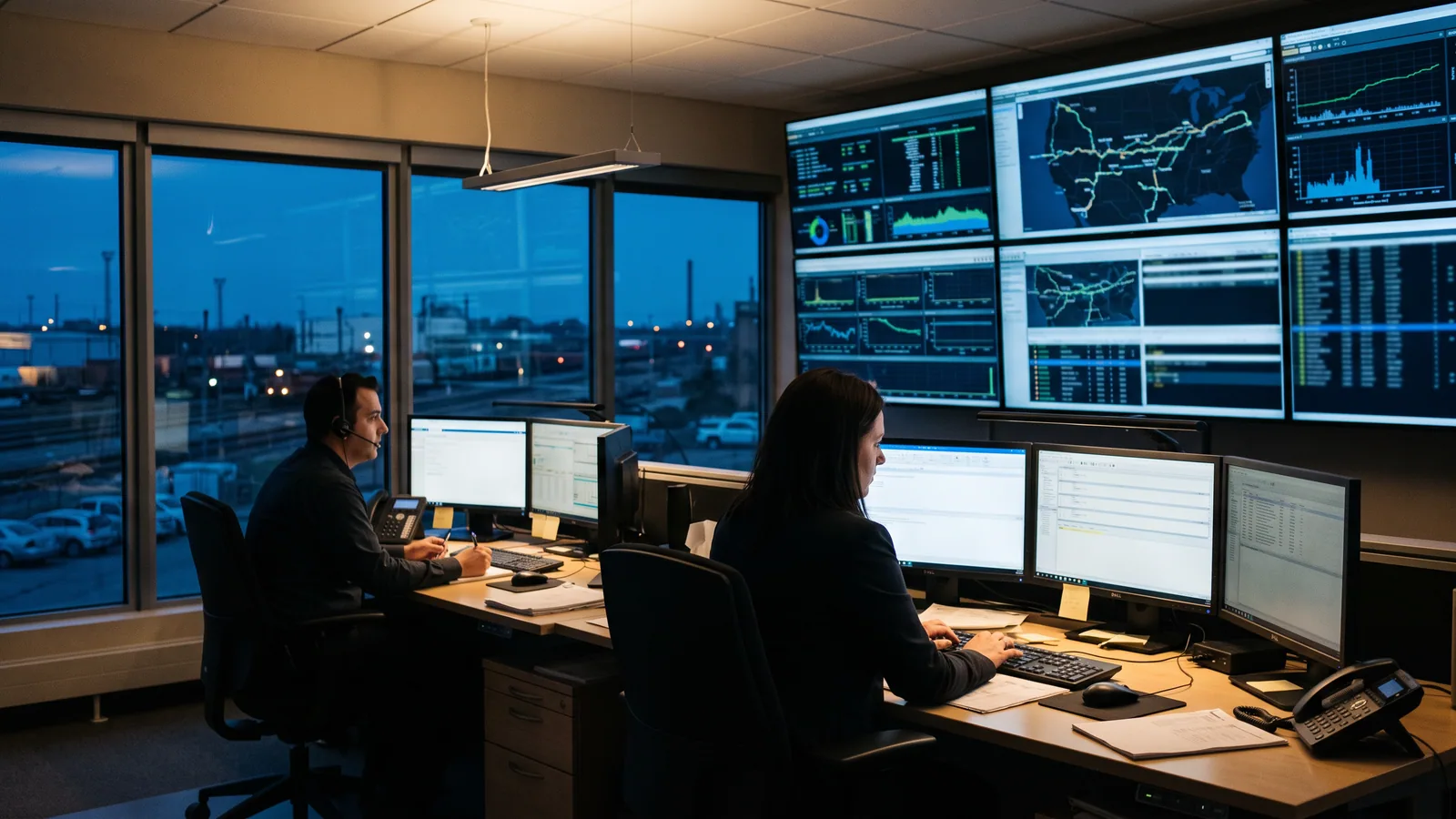
Logistics · Grafana
Mean time to detect down from forty minutes to under three
Grafana, Prometheus and Loki across a national fleet operation, replacing a per-host SaaS bill that had outgrown its value.
Meridian FreightTalk to someone who will tell you if it is a bad fit
A scoping conversation, not a sales call. We will tell you what the platform does today, what it would cost, and where the risk sits.